email - info@lowenergybuild.com Call: 07441 424 875 (UK) / +44 7441 424 875
Thermal Bridging Exposed: From Hidden Heat Loss to Code-Compliant Design
Uncover how thermal bridges silently add 20–30% to heat loss and kill compliance, and learn how accurate, accredited psi-value modelling eliminates them for good.
THERMAL BRIDGING
12/12/20252 min read
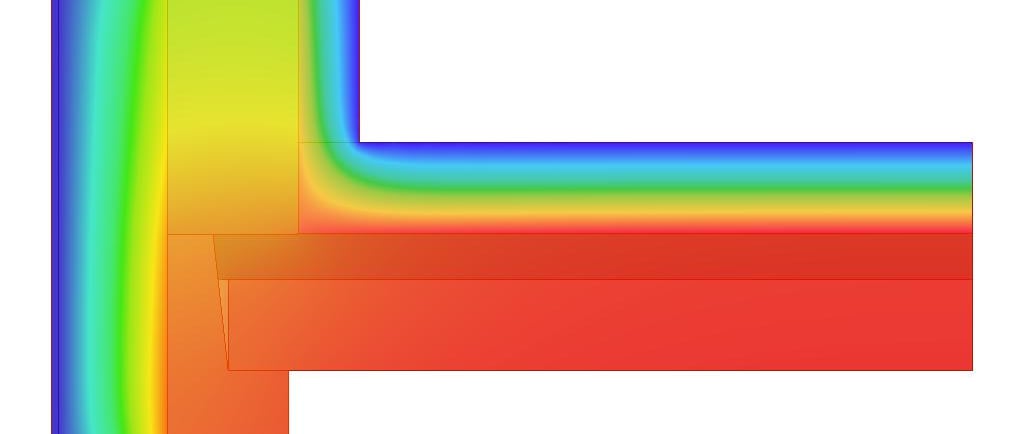
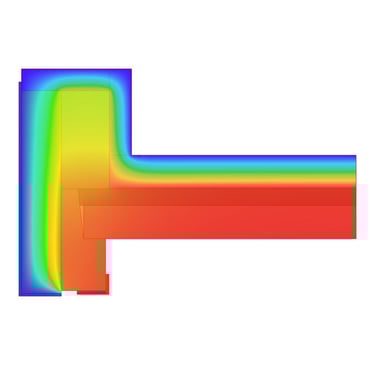
Thermal bridging is one of the biggest silent culprits behind excessive heat loss, higher energy bills, and failed compliance in both new-build and retrofit projects. Even the best wall or roof U-value can be undone by poorly detailed junctions. In this article, we'll explain exactly what thermal bridging is, why it matters, and how to eliminate it ,with a special focus on accurate, compliant psi-value calculations.
What is Thermal Bridging?
A thermal bridge (or cold bridge) is a localised area of the building envelope where heat flows more easily than through the surrounding insulated elements. This happens when highly conductive materials — such as steel, concrete, or breaks in insulation — create a "shortcut" for heat to escape (or enter) the building, bypassing the insulation layer.
The impact is measured using psi-values (linear thermal transmittance, W/m·K). The lower the psi-value, the better. Unaccounted thermal bridges can increase total fabric heat loss by 20–30% and are a common reason for failing Part L compliance or the Passive House standard.
Why Thermal Bridging Matters More Than Ever
Up to 20–30 % of total heat loss in modern buildings can occur through repeatable thermal bridges.
Cold spots cause surface condensation, mould growth, and health risks.
Poor psi-values push SAP / SBEM scores down and can prevent building control sign-off.
In Passive House projects, excessive thermal bridging is the number-one reason projects fail certification.
Common Thermal Bridges You'll See on Every Project
Window and door reveals
Eaves and verge details
Balconies and cantilevered steel/concrete
Party wall bypass
Intermediate floor junctions
Steel lintels
Ground floor perimeter edges
The Gold Standard for Accurate Psi-Values
At Low Energy Build we specialise in precise 2D and 3D thermal bridge modelling that is fully validated against ISO 10211— the international standard for thermal bridge calculations.
We use industry-leading software that has been independently verified and is accepted by building control, SAP assessors, and the Passivhaus Institute.
As certified Passivhaus Designers and full members of Elmhurst's Psi-Value Competency Scheme, we are formally recognised for producing compliant, high-accuracy psi-values that you can submit with confidence for Part L, Passive House, or PAS2035 projects.
How We Help You Eliminate Thermal Bridging Risk
Early-Stage Design Review – Catch expensive problems before detailing is locked in.
Bespoke Modelling – Complex geometries, steel penetrations, balconies, parapets — we model anything.
Compliant Reporting – Clear PDFs with psi-values, temperature factors (fRsi), condensation risk analysis, and full ISO 10211 traceability.
Fast Turnaround – Typical projects returned within 2–3 working days.
Whether you're targeting Part L 2021 compliance, the Future Homes Standard, or full Passive House certification, accurate psi-values from Low Energy Build remove the guesswork and keep your project on track.
Ready to Stop Guessing and Start Complying?
Don't leave your U-value performance to default psi-values or outdated "rule-of-thumb" details. Contact Us today for a free consultation or upload your drawings for an instant quote. Our ISO 10211-validated calculations, backed by Passivhaus expertise and Elmhurst accreditation, give you certainty on every project.
lowenergybuild.com — ISO 10211 validated | Elmhurst Psi-Value Competency Scheme members | Certified Passivhaus Designers
Get in touch
07441 424 875 (UK) / +44 7441 424 875
info@lowenergybuild.com